
 FIELD GUIDE
The Calm 90-Day Household Baseline
Map essential routines and practical gaps, then choose one useful improvement. This is a planning window, not a readiness score.
Read the Guide : The Calm 90-Day Household BaselineRead the complete guide · 3 min
Use the window as a working plan
Start with the people who share the household and the routines that matter to them. Consider health and accessibility needs, pets, shift work, school or caregiving responsibilities, building type, local conditions, storage space, and a realistic budget. The 90 days are a planning horizon: divide work into steps that fit your circumstances rather than treating the calendar as a readiness score.
A plan built around ordinary constraints is more useful than a perfect plan that cannot be maintained. Ask what would change for your household if power, water, communications, transport, or normal access to supplies were interrupted for a short time.
Map what routines depend on
List the household routines you would want to maintain, then note what each relies on: electricity, a reliable source of water, refrigeration, medication, phone charging, transportation, income, or assistance from another person. Inventory what you already have before shopping. Include items spread across the home, existing skills, written contact details, and people you can coordinate with.
The inventory should reveal dependencies and practical gaps, not become a tally of equipment. A tool that does not match a real task adds cost, storage burden, and maintenance without necessarily improving continuity.
Set a manageable priority
Choose one gap that matters to the people in your home and is realistic to address next. Compare the consequences of a routine being disrupted, how often that routine is needed, what alternatives are already available, and whether any health or building-safety issue requires professional input.
When several needs compete, record the reason for your order. Local hazards, household composition, and access to community support matter. There is no universal shopping list or single sequence that fits every renter, homeowner, family, or individual.
Equip, practice, and review
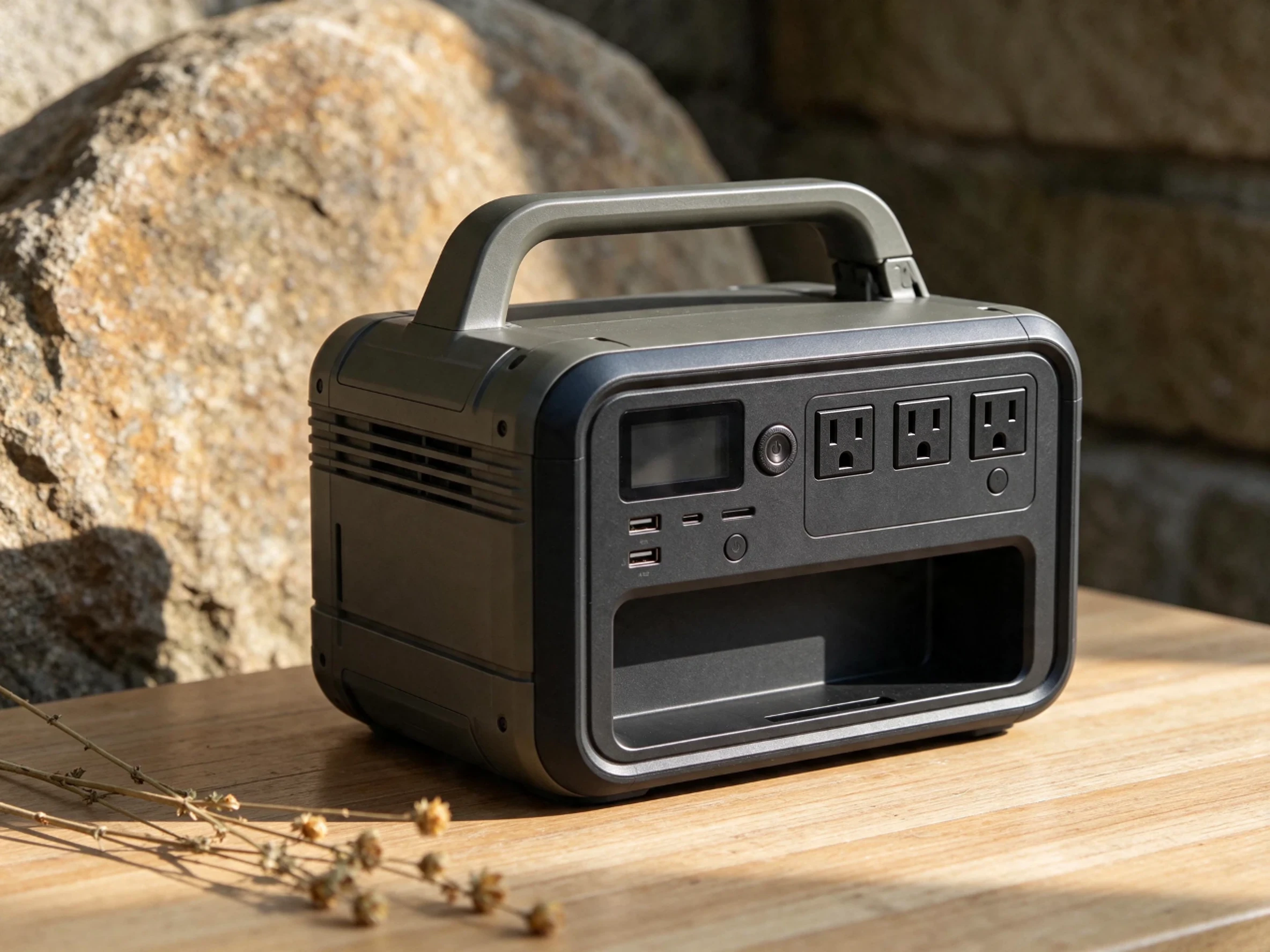
Use an existing resource when it safely fits the job. If a backup tool is needed, check compatibility, maintenance, safe operation, storage, and the manufacturer’s instructions before relying on it. Make key decisions visible: who checks in, where to find the contact plan, how to get official information, and when to change course.
Practice the simple parts of the plan during an ordinary week. Review the plan when household members, medications, contact details, seasons, equipment, or local guidance change. The objective is informed options and a calmer response—not isolation, guaranteed self-sufficiency, or a promise that disruptions can be controlled.