Equipment, with context

Field Notes:
Gear with context.

Category research for household equipment: uses, trade-offs and limits, without unsupported product claims.

Browse the categories
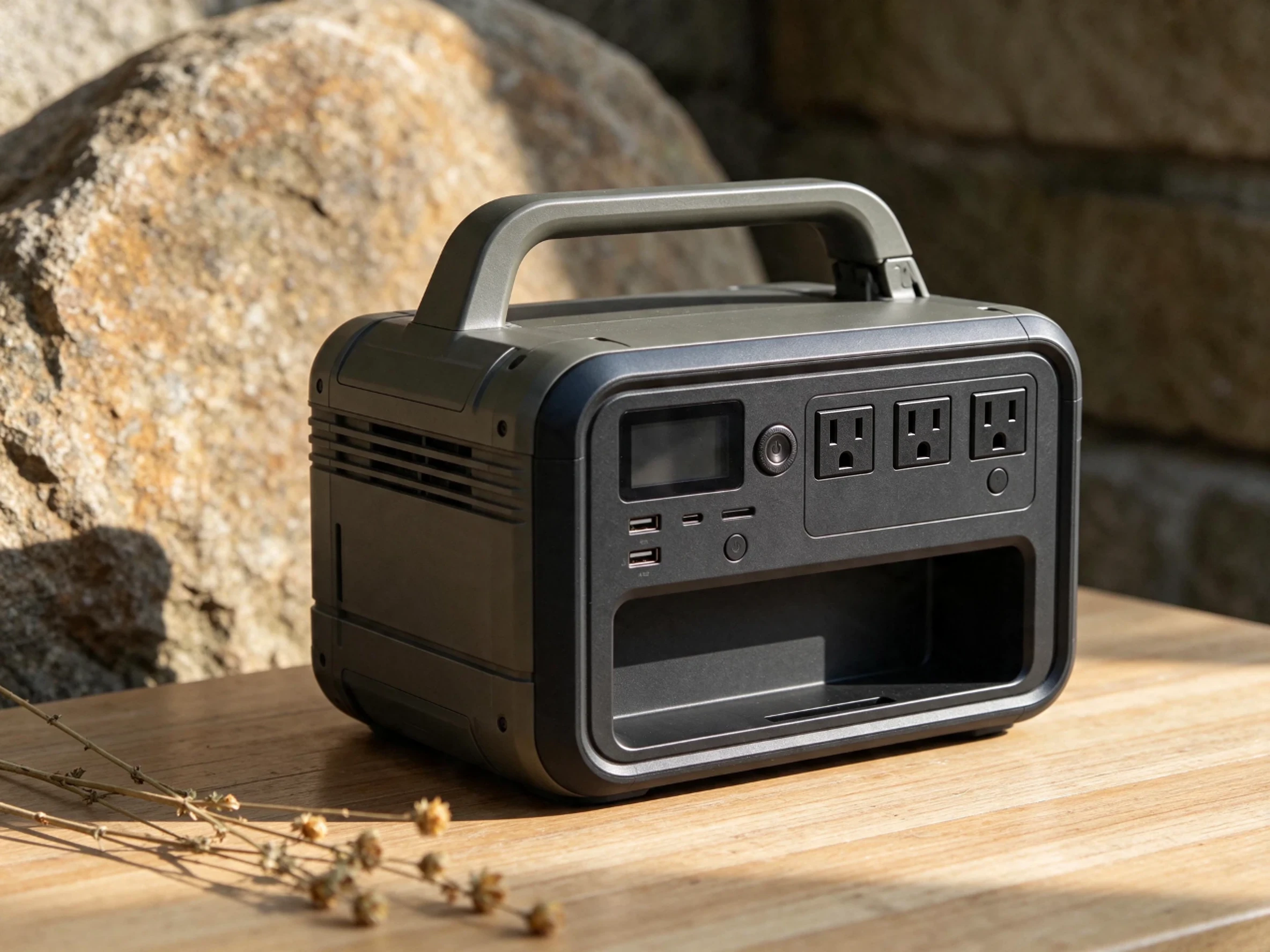
Illustrative unbranded portable power station shown close-up, with carry handle, blank display, U.S.-style outlets and charging ports visible; not a tested model.
Portable power stationIllustrative · not tested

Category research—not product reviews. No model endorsements, hands-on tests, prices, or product links are active. Check current manufacturer documentation for model-specific claims and limits.

No affiliate links are active. Any future commercial link or product-specific recommendation should identify its evidence and material connection beside it.

The research library

Begin with the use case.

10 EQUIPMENT CATEGORIES
Category research

Portable power stations & solar generators

Start with the loads and use case; check output, stored energy, compatibility, recharge and model-specific limits.

Check fit and limits
Possible household fit
A household seeking a portable electrical backup for a defined set of loads.
Limits to consider
Usable runtime and solar recharge depend on the model, loads, conditions, and compatibility. Medical-device backup planning requires professional advice.
Read the related guide : Portable power stations & solar generators — category research
Category research

Foldable panels & rooftop solar

Compare portable and rooftop solar by use, equipment compatibility, installation needs, permissions and real-world limits.

Check fit and limits
Possible household fit
Households with an appropriate, lawful location for collection and an equipment-compatible system.
Limits to consider
Output varies with conditions. Rooftop systems require suitable property permissions, licensed installation where applicable, and local code and utility compliance.
Read the related guide : Foldable panels & rooftop solar — category research
Category research

Water filters & gravity systems

Start with the water source and intended use; then check what a method treats and what it misses.

Check fit and limits
Possible household fit
A household with a known water source and a treatment or filtration method appropriate to it.
Limits to consider
No system makes every water source safe. Verify contaminant claims, replacement schedules, and manufacturer instructions before purchase.
Read the related guide : Water filters & gravity systems — category research
Category research

Battery & USB lighting

Match light to routine tasks; verify charging, battery care, placement and manufacturer guidance.

Check fit and limits
Possible household fit
Households seeking easy-to-use lighting with a clear charging and spare-battery routine.
Limits to consider
Runtime, charging, and battery storage need product-specific verification. Avoid relying on open flames or improvised lamps.
Read the related guide : Battery & USB lighting — category research
Category research

Two-way radios & emergency communications

Separate receiving alerts from sending messages; use radios only within a written, lawful contact plan.

Check fit and limits
Possible household fit
Households with a lawful radio use case and an agreed plan for check-ins and charging.
Limits to consider
Coverage and interoperability vary; radios do not guarantee contact or privacy. Verify GMRS and amateur-radio licensing and other applicable service rules.
Read the related guide : Two-way radios & emergency communications — category research
Category research

First-aid & trauma kits

Match first-aid supplies to the people who will use them, their training and qualified medical advice.

Check fit and limits
Possible household fit
Households matching basic first-aid supplies to personal needs and professional training.
Limits to consider
Equipment does not replace diagnosis, individualized treatment advice, or emergency care. Skip specialized items beyond your training and seek qualified guidance.
Read the related guide : First-aid & trauma kits — category research
Category research

Emergency food & cooking systems

Plan familiar food, rotation and safe preparation around household needs, space and fuel limits.

Check fit and limits
Possible household fit
Households building practical pantry depth and non-electric meal options within available space.
Limits to consider
Verify allergens, storage instructions, and dates. Fuel-burning equipment carries fire and carbon-monoxide risks and must be used exactly as directed.
Read the related guide : Emergency food & cooking systems — category research
Category research

Air quality & environmental protection

Identify the hazard before comparing fit, maintenance, replacement schedules or a protection claim.

Check fit and limits
Possible household fit
Households addressing a defined particulate or environmental issue with appropriate professional guidance.
Limits to consider
Fit, hazard type, maintenance, and replacement schedules matter. No mask protects against every hazard; measurement tools do not make a location safe.
Read the related guide : Air quality & environmental protection — category research
Category research

Blackout curtains & light management

Use window coverings for ordinary light, sleep, temperature and privacy needs—not as protective equipment.

Check fit and limits
Possible household fit
Homes or apartments with a practical need to manage light and comfort.
Limits to consider
Performance varies with product and installation. This category is not about confrontation, evasion, or secrecy from authorities.
Read the related guide : Blackout curtains & light management — category research
Category research

Reference books & household planning

Check authorship and currency; use reference materials alongside, not instead of, qualified instruction.

Check fit and limits
Possible household fit
Households keeping accessible notes, plans, and reputable learning resources.
Limits to consider
Verify authorship, relevance, and currency. A book cannot replace medical, electrical, public-safety, or other professional guidance.
Read the related guide : Reference books & household planning — category research
A method for comparing categories

A useful tool has a clear job.

Ask what the household needs, what the tool can do, and where its limits begin.

01

Use case

What household job is this category meant to address?

02

Household fit

Does it suit the people, space, permissions and constraints?

03

Capability

Which model-specific limits should be verified?

04

Setup

What compatibility, learning or professional help is needed?

05

Maintenance

What inspections, replacements, charging or care are needed?

06

Practical handling

Can the intended user safely carry, store and operate it?

07

Ownership cost

What upkeep, consumables and replacement costs apply?

08

Limits

What can this category not do?

09

When to skip it

Would a simpler method, training or qualified advice fit better?

Compare the questions—not invented scores

Different tools. Different trade-offs.

No rankings, fabricated tests or unsupported performance ratings.

On a narrow screen, scroll the table horizontally. Keyboard users can focus the table area and use the arrow keys.

Questions to resolve before purchase
CategoryHousehold questionVerifyWhen another approach may fit
Portable powerWhich essential loads need support, and for how long?Usable energy, output, compatibility, recharge, and model limitations.When required loads exceed verified capability or need a professional backup plan.
Water systemsWhich source and household needs are involved?Contaminant limitations, treatment requirements, care, and replacement schedules.When the source is unsuitable or safe stored drinking water is needed first.
Battery lightingWhat tasks need illumination?Charging, battery storage, placement, and product-specific runtime.When simpler compatible lights already meet the task.
CommunicationsReceiving alerts, sending messages, or both?Coverage limits, interoperability, lawful use, and licensing.When an offline contact plan and charging solve the immediate gap.
First-aid kitsWhich supplies suit the users and their training?Contents, condition, dates, personal needs, and qualified guidance.When specialized items exceed training or professional care is required.
Food and cookingWhat familiar meals can be stored and prepared safely?Dietary fit, rotation, storage, and fire/carbon-monoxide instructions.When non-electric meals are a better fit than cooking equipment.
Foldable / rooftop solarIs there an appropriate lawful collection site and a compatible system?System compatibility, real conditions, permissions, professional installation, and codes/utilities.When property constraints or installation needs favor a different verified recharge option.
Air quality / environmentWhat specific exposure or air-quality concern is being addressed?Hazard, correct fit where relevant, maintenance, replacement, and manufacturer limits.When official alerts, exposure reduction, or qualified guidance is needed instead of a broad protection claim.
Blackout curtains / light managementWhat sleep, temperature, or ordinary privacy need is involved?Window fit, installation, product-specific performance, and care.When existing window coverings meet the practical need; curtains are not protective equipment.
Reference books / planning materialsWhich skills or household-planning questions need clearer information?Authorship, relevance, currency, and the need for qualified instruction.When medical, electrical, public-safety, or other professional advice is required.

No product specification, availability, certification, test result, price or affiliate relationship is supplied or implied.

The right order matters

Understand the household first.

Clear needs and constraints make equipment research more useful.

Start with the household baseline